CPQ for B2B SaaS: Why Your Sales Team Still Runs on Spreadsheets
Static spreadsheets cannot handle modern B2B pricing. Here is why CPQ has become core revenue infrastructure, not a sales nice-to-have.

Somewhere in your company right now, a rep is building a quote in a spreadsheet that was copied from another spreadsheet, that was copied from a template someone built two years ago. Nobody remembers who owns the master version. Finance finds out about the deal terms after the contract is signed.
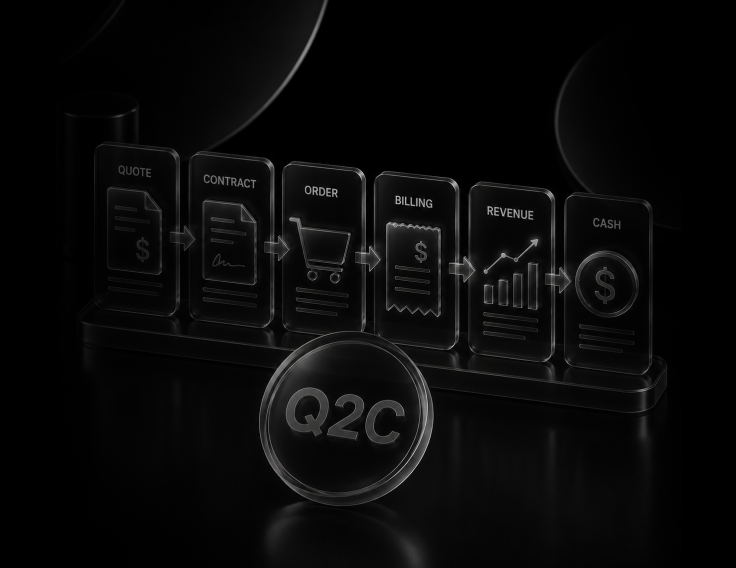
This is not a rare situation. It is the default state of B2B sales at most growing companies, and it is the reason CPQ (configure, price, quote) has quietly become one of the more consequential purchases a revenue team makes.
The spreadsheet was never built for this
Spreadsheets are great at one thing: holding numbers still. They are terrible at holding a pricing model that changes by segment, region, contract length, and negotiated discount, all while staying in sync with what finance actually bills.
Every growing B2B company hits the same wall. The pricing model that worked with ten deals a month falls apart at fifty. Reps start freelancing discounts to hit quota. Legal redlines pile up because nobody flagged a non-standard term early.
The pattern behind the pain:
almost every quoting breakdown traces back to the same root cause. The commercial terms live in one place (a doc, a deck, an email thread) and the billing terms live in another. Somewhere in between, a human has to translate, and translation is where errors get made.
What CPQ actually fixes
CPQ software takes the three hardest parts of closing a deal — configuring the right product mix, calculating the right price, and generating an accurate quote — and turns them into a guided, rules-based workflow instead of an act of memory.
Done well, it means:
- Reps cannot accidentally quote a discount that needs sign-off without triggering an approval
- Pricing rules for tiers, minimums, and contract length are enforced automatically, not remembered
- Quotes generate as structured data, not a PDF that someone re-keys into the billing system later
- Legal and finance see non-standard terms at the point of negotiation, not after signature
40-50%
average reduction in quote cycle time after CPQ adoption
95%
typical cut in approval wait time once sign-off logic is automated
67%
of lost B2B SaaS deals cited slow sales process as a contributing factor, per Forrester research
Why this matters more for finance than sales
CPQ gets pitched as a sales tool, but the real winner is often finance. Every quote that gets built outside a rules engine is a quote that finance has to reverse-engineer at billing time.
When the quote is structured data instead of a PDF, the terms a rep negotiates become the terms that get billed, automatically. No re-typing. No "what did we actually agree to" emails between sales and finance three weeks after close.
"The best pricing systems do not just make quoting faster. They make sure the deal you closed is the deal you bill, down to the last term."
Author
Jordan Lee
Head of Revenue, Module